Your Saliva Is a Diagnostic Window
Saliva contains the same biomarkers found in blood — hormones, bacteria, inflammatory markers, and DNA. Salivary testing captures this data non-invasively, with no needles, no lab visit, and clinically validated accuracy.
Start Your ScreeningWhat is salivary diagnostic testing?
Salivary diagnostics is the science of analyzing saliva to detect disease markers, pathogens, hormones, and inflammatory proteins. Your saliva is a filtrate of your blood — it contains many of the same molecules that clinicians look for in blood tests, plus oral-specific biomarkers that blood tests miss entirely.
Unlike blood draws, salivary testing is completely non-invasive. You provide a saliva sample at home or in a clinical setting — no needles, no fasting, no lab visit required. The sample is analyzed using advanced techniques like qPCR (quantitative polymerase chain reaction) and next-generation sequencing (NGS) to identify specific bacteria, measure hormone levels, and assess inflammatory markers.
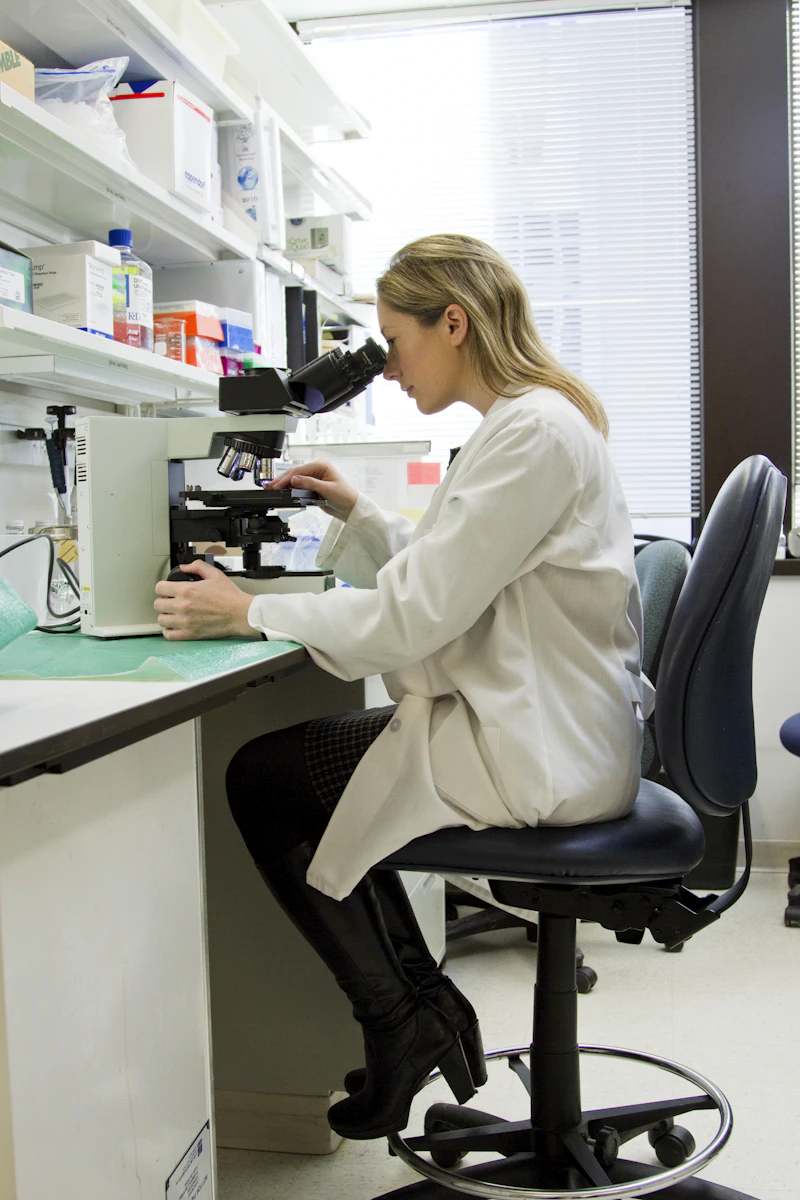
From sample to actionable results.
The process is designed to be simple for patients and clinically rigorous for providers.
Collect
Provide a saliva sample using a collection kit. No special preparation needed — just avoid eating, drinking, or brushing for 30 minutes before collection.
Analyze
Your sample is processed using qPCR and NGS technology to identify pathogenic bacteria, measure hormone concentrations, and detect inflammatory biomarkers.
Interpret
Results are reviewed by a qualified clinician who contextualizes findings against your health history, risk factors, and goals (e.g., preconception planning).
Act
You receive a personalized report with specific recommendations — targeted treatment for identified pathogens, referrals if needed, and a timeline for re-testing.
What salivary diagnostics can detect.
A single saliva sample can reveal information about multiple body systems — from oral pathogens to systemic hormones.
Pathogenic Bacteria
Identifies 11+ specific periodontal pathogens including P. gingivalis, F. nucleatum, T. denticola, and A. actinomycetemcomitans — bacteria linked to heart disease, pregnancy complications, and cognitive decline.
Inflammatory Markers
Measures MMP-8 (collagenase), IL-6, TNF-alpha, and C-reactive protein levels. Elevated markers indicate active inflammation that may be driving systemic health issues beyond the mouth.
Hormones
Salivary testing can measure free (bioavailable) cortisol, estradiol, progesterone, testosterone, and DHEA. For fertility patients, this provides hormone data without repeated blood draws.
Genetic Susceptibility
Certain genetic markers (like IL-1 polymorphisms) affect how your immune system responds to periodontal bacteria. Testing identifies whether you have heightened genetic susceptibility to inflammatory complications.
HPV Screening
Oral HPV (human papillomavirus) is detectable in saliva. Certain strains are linked to oropharyngeal cancer. Early detection through salivary screening enables proactive monitoring.
Fungal Infections
Candida species and other oral fungi are detectable in saliva. Overgrowth indicates immune dysfunction or microbial imbalance that may affect other body systems.
Why saliva testing is often better.
For many biomarkers, salivary testing offers advantages over traditional blood tests — especially for patient compliance and repeated monitoring.
| Factor | Blood Test | Salivary Test |
|---|---|---|
| Collection Method | Venipuncture (needle) | Spit into a tube — no needles |
| Setting | Lab or clinic required | Home or clinical setting |
| Patient Compliance | Low (needle anxiety, time off work) | High (painless, convenient) |
| Hormone Accuracy | Measures total hormone (bound + free) | Measures free/bioavailable hormone only |
| Oral Pathogens | Not detectable in blood | Directly identifies oral bacteria |
| Repeat Testing | Requires new lab visit each time | Easy at-home follow-up |
| Cost | $200–500+ per panel | $80–200 per panel |
| Turnaround | 1–3 days (standard lab) | 7–14 days (specialized analysis) |
Note: Salivary testing is not a replacement for all blood tests. It excels for hormone monitoring, oral pathogen identification, and inflammatory marker screening. Your clinician will recommend the right combination based on your health goals.
Clinically validated technology.
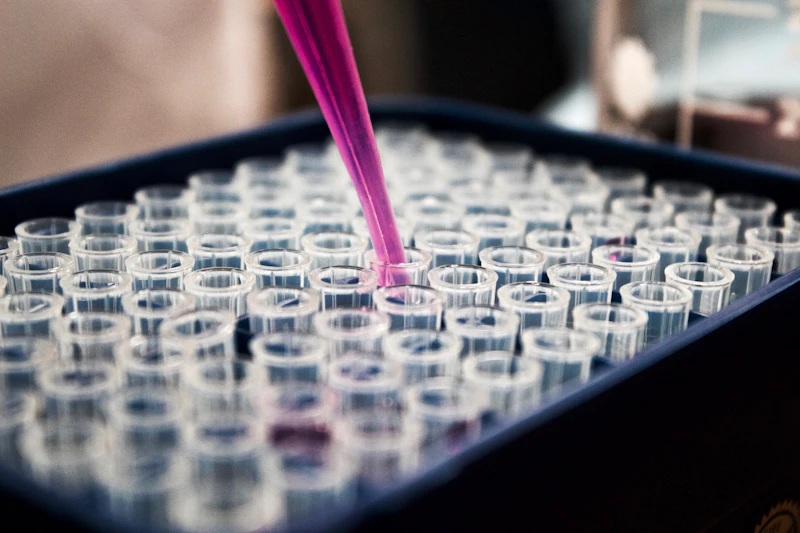
Salivary diagnostics isn't new or experimental. The technologies used — qPCR (quantitative polymerase chain reaction) and NGS (next-generation sequencing) — are the same gold-standard methods used in clinical microbiology labs worldwide.
qPCR can detect specific bacterial DNA sequences with 99.9% accuracy, even at extremely low concentrations. NGS provides a comprehensive map of your entire oral microbiome — identifying not just known pathogens, but the full bacterial community and its balance.
The salivary diagnostics market is projected to grow from $911M (2025) to $1.4B by 2034, reflecting growing clinical adoption and research validation.
Frequently asked questions.
Learn how oral health connects to fertility: Why Your Mouth Matters for Fertility
Are you a clinician? See our referral pathway and clinical evidence
Get updates on salivary diagnostics and oral health
New test protocols, clinical research summaries, and patient education guides from Dr. Najafi's practice — directly to your inbox. No spam, ever. Unsubscribe any time.